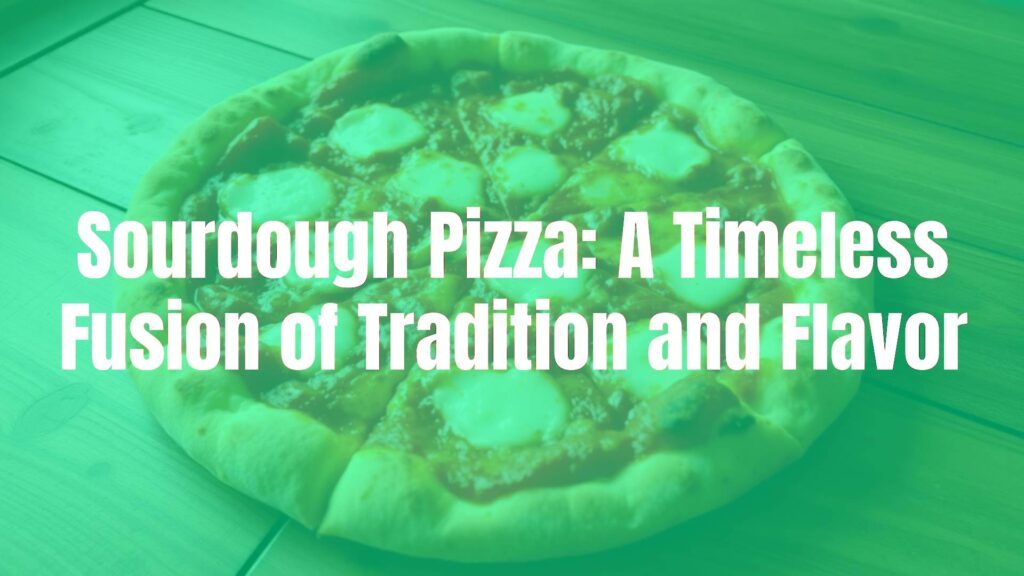
Introducing Sourdough Pizza: A Modern Classic
Sourdough pizza has surged in popularity among pizza aficionados worldwide, blending the ancient art of sourdough breadmaking with the beloved pizza format. Admired for its complex flavor, chewy texture, and natural fermentation process, sourdough pizza stands out as a distinctive alternative to traditional yeast-leavened varieties.
Understanding What Sets Sourdough Pizza Apart
The defining component of sourdough pizza lies in its crust, which is made using a naturally fermented starter rather than commercial yeast. The starter—a mixture of flour and water teeming with wild yeast and bacteria—ferments the dough over several hours or even days. This slow, natural leavening creates a crust that is airy, chewy, and flavorful. Most sourdough pizzas use a high-hydration dough, resulting in an airy, open crumb and a crisp exterior after baking. Classic toppings like tomato sauce and mozzarella cheese are commonly used, but the real signature lies in the tangy foundation produced by the fermentation process.
Flavor and Texture: The Experience of Sourdough Pizza
Sourdough pizza offers a delightful interplay of textures: a crispy base, slightly chewy and pillowy interior, and often a beautifully blistered edge (the cornicione) with subtle tanginess. The flavor profile is more complex than standard pizza crust, offering a gentle sourness balanced by the richness of the toppings. Across regions, variations exist; some bakers go for extra tang, while others prefer a milder fermentation, adjusting sourness and chewiness to taste. Creative bakers also experiment with different flour blends, hydration levels, and fermentation times, resulting in a wide array of sourdough pizza styles.
Origins and Rise of Sourdough Pizza
Sourdough itself is an ancient form of leavening, and its current popularity in pizza signals a renewed interest in artisanal and naturally fermented foods. While classic Italian pizza often relies on commercial yeast, modern pizza makers—especially in the artisan and neo-Neapolitan movements—have embraced sourdough for its flavor depth and traditional nods. Its growing appeal reflects a desire to honor heritage methods, support gut health, and achieve a richer gastronomic experience.
Toppings: From Traditional to Inventive
The enhanced flavor of sourdough pizza crust allows it to pair wonderfully with both classic and inventive toppings. Traditional choices include:
- San Marzano tomato sauce and fresh mozzarella for a true margherita experience
- Prosciutto, arugula, and Parmesan for a savory-salty balance
- Roasted vegetables like eggplant, zucchini, and peppers that match the crust’s rustic notes
For the adventurous, consider:
- Gorgonzola, pear, and walnuts for sweet-savory contrast
- Smoked salmon with crème fraîche and dill
- Wild mushrooms and truffle oil to complement the crust’s earthiness
Customizing toppings to highlight or offset the tangy dough invites endless creativity and personalization.
Advice for Savoring and Making Sourdough Pizza
To enjoy sourdough pizza at its best, eat it fresh from the oven to appreciate its crisp crust and aromatic profile. If preparing at home, paying attention to fermentation time and temperature can make a significant difference—longer fermentation brings out more flavor and digestibility. Investing in a pizza stone or steel, and baking at high temperatures, helps mimic the conditions of traditional pizza ovens, yielding an irresistibly crispy and airy base. When ordering from a pizzeria, look for details on fermentation and ask for recommendations on toppings that shine with a tangy crust.
Nutritional Insights and Adaptations
Sourdough pizza offers potential nutritional advantages. The long fermentation process can make the crust easier to digest and may reduce gluten content, making it friendlier for some individuals with sensitivities (though not suitable for those with celiac disease). Whole grain sourdough options add fiber and micronutrients. For lighter versions, opt for vegetable-laden toppings and use low-fat cheeses. Gluten-free adaptations are possible with sourdough starters made from non-wheat flours like rice or buckwheat, though results may vary.
The Lasting Attraction of Sourdough Pizza
Sourdough pizza marries the time-honored traditions of natural fermentation with the universally loved pizza format, offering an extraordinary depth of flavor, satisfying texture, and an artisanal appeal. Whether enjoyed in a trendy urban pizzeria or crafted at home, this pizza style continues to win hearts and palates, showcasing the endless innovation possible within the world of pizza.
